Introduction:
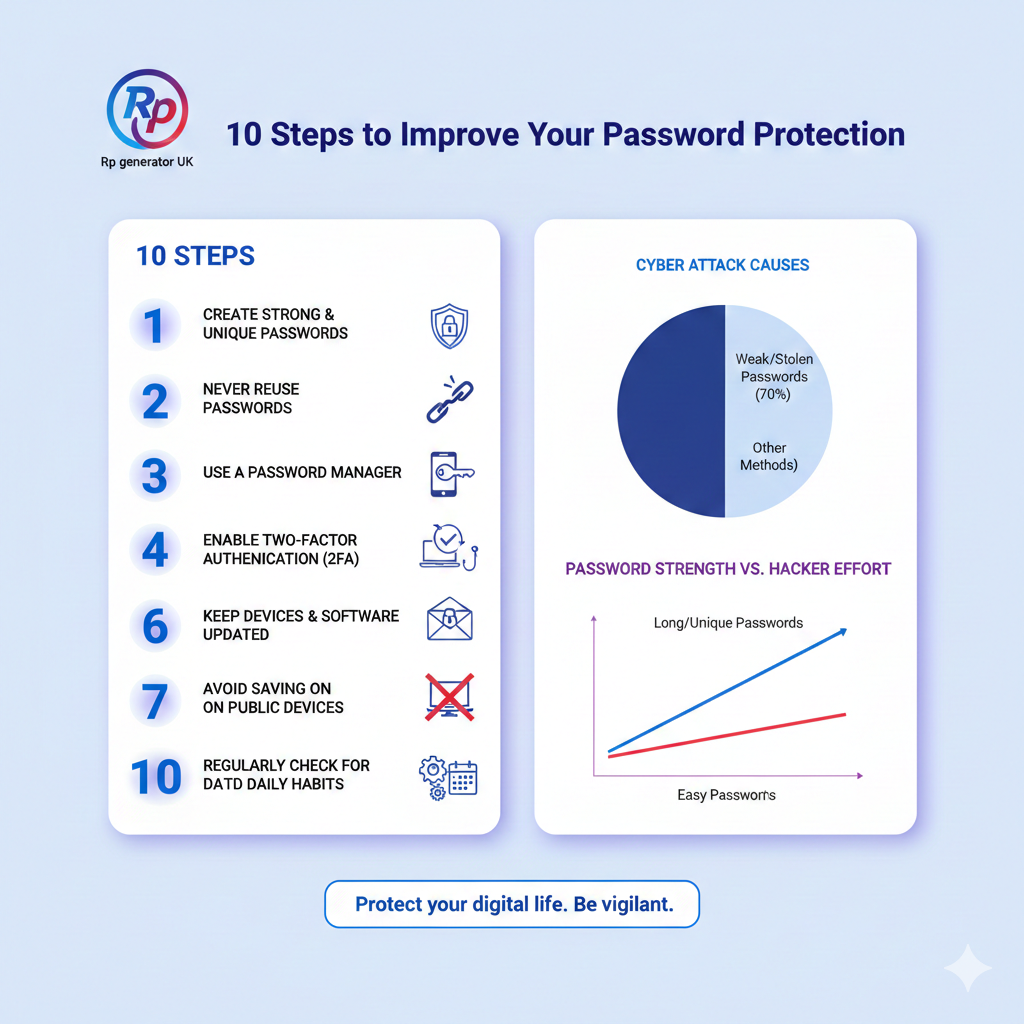
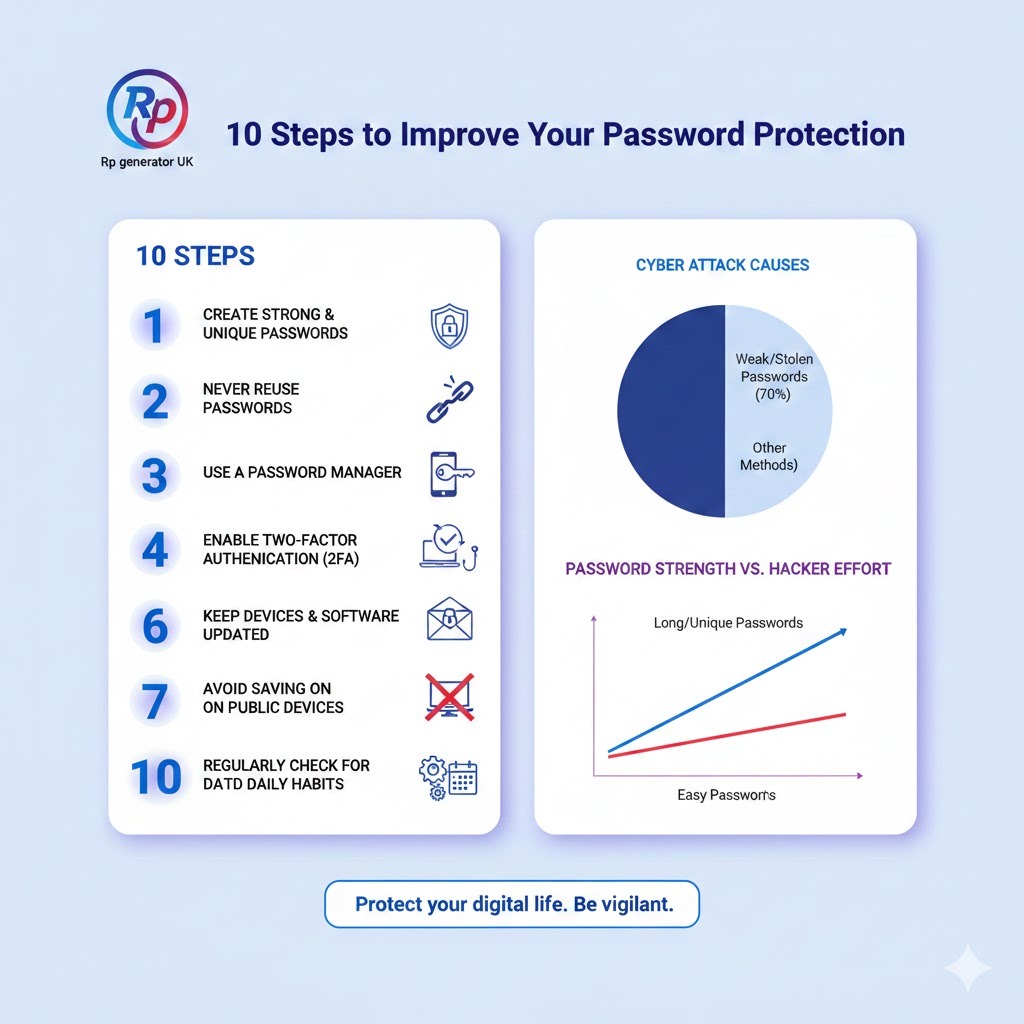
In today’s digital world, “password protection” is no longer just a technical term used by IT experts. It is something every internet user must understand. From email accounts and social media profiles to online banking and work tools, our daily lives depend on passwords. Unfortunately, many people still treat passwords casually. They reuse the same password everywhere, choose easy words, or ignore basic “password security” rules. As a result, hackers find it easier than ever to break into accounts and steal personal data. According to studies shared by security experts at Verizon Data Breach Investigations Report, weak or stolen passwords remain one of the top reasons for cyber attacks.
Let me share a simple story. A friend once used the same password for his email, Facebook, and online shopping account. One day, he clicked a fake email link. Within hours, his email was locked, social media was hijacked, and shopping orders were placed using his saved card. This happened not because he was careless, but because he lacked “password protection awareness”. If he had followed even a few “password protection tips”, this situation could have been avoided.
That is why this “10 steps to improve your password protection” guide exists. This article is written in simple words, with real-life examples and step-by-step instructions. Whether you are a beginner or an experienced internet user, these steps will help you understand “how to improve password protection”, avoid common mistakes, and protect your online life. By the end, you will have a clear “password protection improvement plan” you can apply immediately.
Understanding Password Protection Before We Begin
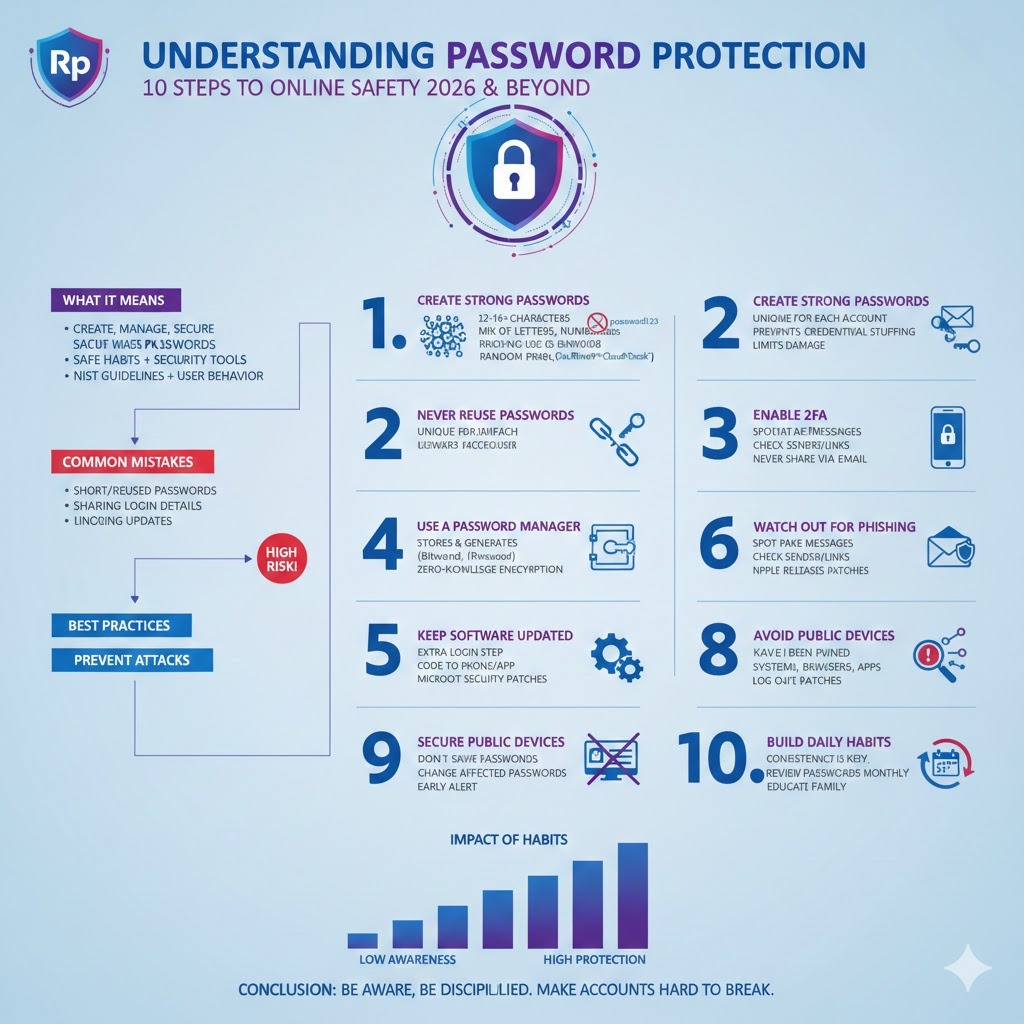
Before jumping into the steps, let us clearly understand what “password protection” really means. Password protection is the process of creating, managing, and securing passwords so that only authorized users can access an account. It is not just about choosing a “strong password”, but also about following safe habits, recognizing threats, and using modern security tools. Organizations like NIST explain that password protection works best when combined with smart user behavior and extra security layers.
Many people believe hackers are always highly skilled programmers. In reality, most attacks succeed because users make simple mistakes. For example, using short passwords, sharing login details, or ignoring software updates. These habits weaken “online account password protection”. On the other hand, following “password protection best practices” can stop most attacks before they even begin.
Now, let us move step by step through the “password protection steps” that will help you stay safe in 2026 and beyond.
Step 1: Create Strong and Unique Passwords
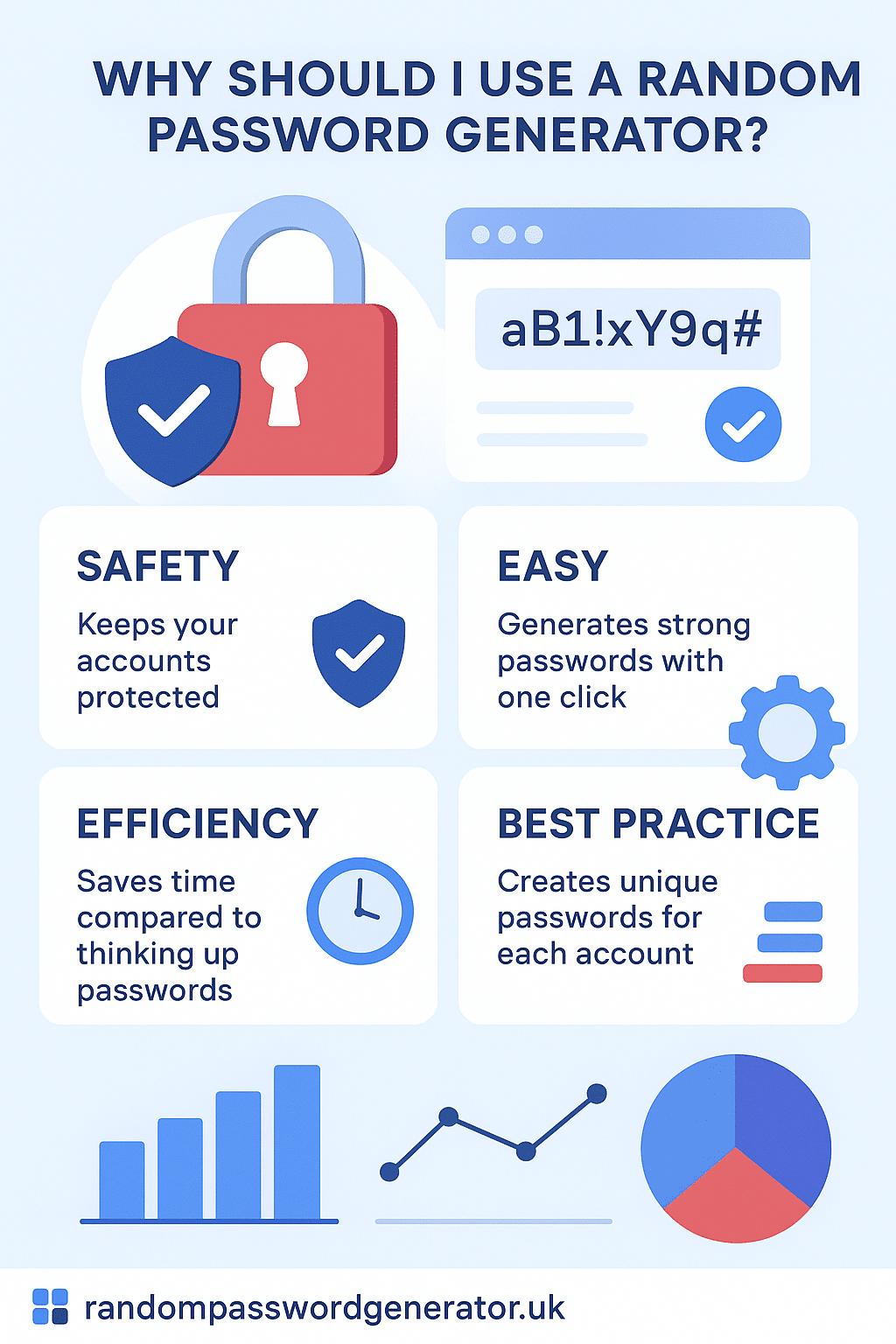
The first and most important step in “password protection basics” is creating a “secure password”. A strong password is long, unique, and unpredictable. Security experts at Google Safety Centre recommend using passwords with at least 12–16 characters. These passwords should include a mix of letters, numbers, and symbols.
Instead of using simple words like “password123” or personal details like birthdays, create passwords that look random. For example, a phrase like “Sun!River9*Cloud#Desk” is much harder to crack. This improves “password strength” and reduces the risk of “brute force attacks”, which are explained well by Cloudflare.
A helpful anecdote: One user switched from short passwords to long passphrases after learning about hacking risks. Within weeks, his email provider alerted him that his account survived a mass hacking attempt. The reason was simple—his password was too complex to break.
Therefore, if you want to follow “ways to strengthen password protection”, always create unique passwords for each account. This single habit greatly improves “account password protection”.
Step 2: Never Reuse Passwords Across Accounts
Reusing passwords is one of the biggest threats to “online password protection”. Many users think it is convenient to use one password everywhere. However, if one website gets hacked, attackers can try the same password on your email, bank, and social media accounts. This technique is known as credential stuffing, explained by OWASP.
To improve “password protection for online accounts”, always use a different password for each platform. This limits damage if one account is compromised. Think of it like house keys. You would never use the same key for your home, office, and car. The same logic applies to passwords.
A real-world example: A small business owner reused one password for multiple tools. When a third-party service was breached, attackers accessed his business email and sent fake invoices to clients. This could have been prevented with better “password protection strategies”.
Therefore, using unique passwords is a foundational rule in “password protection rules explained”.
Step 3: Use a Password Manager Wisely
Remembering dozens of strong passwords is difficult. This is where “password protection with password manager” becomes essential. A password manager is a secure tool that stores and generates passwords for you. Trusted providers like Bitwarden and 1Password use strong encryption to keep data safe.
Using a password manager improves “password protection methods” by reducing human error. You no longer need to write passwords on paper or reuse old ones. Instead, the tool creates and fills passwords automatically.
Some people worry about storing all passwords in one place. However, modern password managers use zero-knowledge encryption, meaning even the company cannot see your data. This makes them safer than manual methods.
In short, if you want “simple steps for password protection”, a password manager is one of the best tools available today.
Step 4: Enable Two-Factor Authentication (2FA)
One of the most effective “password protection techniques for security” is enabling “password protection and two factor authentication”. Two-factor authentication adds an extra step to login, such as a code sent to your phone or an authentication app. Even if someone steals your password, they cannot log in without this second factor.
Organizations like Microsoft Security strongly recommend 2FA for all accounts. This method drastically reduces account takeover risks.
A simple anecdote: A user’s email password was leaked in a data breach. However, because 2FA was enabled, hackers could not access the account. This proves how effective this step is for “password protection against hackers”.
Always enable 2FA on email, banking, and social media accounts to improve “online password protection”.
Step 5: Watch Out for Phishing Attacks
Phishing is one of the most common ways hackers steal passwords. Fake emails or messages trick users into entering login details on fake websites. Learning “password protection against phishing” is essential for internet safety.
Trusted resources like the FTC Phishing Guide explain how to spot fake messages. Always check the sender’s email address, avoid clicking suspicious links, and never share passwords via email.
A common mistake is reacting emotionally to urgent messages like “Your account will be closed today.” Hackers use fear to bypass “password protection habits”.
Staying alert is a key part of “password protection awareness”.
Step 6: Keep Devices and Software Updated
Many users forget that “password protection for devices” also matters. Outdated software may contain security flaws that allow attackers to bypass passwords. Companies like Apple regularly release patches to fix vulnerabilities.
Updating your operating system, browser, and apps strengthens “password protection measures”. This prevents attackers from exploiting known weaknesses.
In short, updates are not annoying—they are essential for “password protection for online safety”.
Step 7: Secure Your Email Account First
Your email account is the key to resetting all other passwords. That is why “password protection for email accounts” should be your top priority. If hackers access your email, they can reset passwords everywhere.
Use a strong, unique password and enable 2FA on email services like Gmail Security. This step alone significantly improves “password protection for personal data”.
Step 8: Avoid Saving Passwords on Public Devices
Public computers and shared devices are risky. Avoid saving passwords on them. Browsers may store login details that others can access later. This weakens “password protection for internet users”.
If you must log in on a public device, use private browsing mode and log out completely afterwards.
Step 9: Regularly Check for Data Breaches
Services like Have I Been Pwned allow users to check if their email or password has been exposed in a breach. Monitoring breaches helps improve “password protection” by alerting you early.
Change affected passwords immediately and avoid repeating mistakes.
Step 10: Build Daily Password Protection Habits
Finally, the best “password protection improvement plan” is consistency. Make password safety a daily habit. Review passwords every few months, stay informed about new threats, and educate family members.
Small habits create strong “password protection systems” over time.
Conclusion:
In conclusion, following these “10 steps to improve your password protection” can dramatically improve your online safety. Password protection is not difficult—it just requires awareness and discipline. By applying these “password protection tips for daily use”, you protect your identity, money, and peace of mind.
Remember, hackers look for easy targets. With strong habits and smart tools, your accounts will never be the easiest door to break.
30 Frequently Asked Questions (FAQs) About Password Protection
1. What is password protection?
Password protection means using safe methods to create, store, and manage passwords so that only authorized users can access an account.
2. Why is password protection important?
Password protection is important because it helps prevent hackers from accessing your personal data, email, bank accounts, and social media profiles.
3. What are the basic steps to improve password protection?
The basic steps include creating strong passwords, avoiding reuse, enabling two-factor authentication, and following password protection best practices.
4. How can I improve password protection for beginners?
Beginners can improve password protection by using long passwords, avoiding personal information, and learning simple steps for password protection.
5. What makes a password strong and secure?
A strong password is long, unique, and includes letters, numbers, and symbols. This improves overall password security.
6. How often should I change my passwords?
You should change passwords every 3–6 months or immediately if you suspect a breach to maintain good password protection habits.
7. Is using the same password for multiple accounts safe?
No, reusing passwords weakens online account password protection and increases the risk of multiple account hacks.
8. What is two-factor authentication and why is it important?
Two-factor authentication adds an extra security step and greatly improves password protection against hackers.
9. Can password managers really improve password protection?
Yes, password protection with password manager tools helps generate and store strong passwords securely.
10. Is password protection possible without a password manager?
Yes, password protection without password manager is possible by carefully creating unique passwords, but it is more difficult.
11. How does phishing affect password protection?
Phishing tricks users into sharing passwords, which breaks password protection against phishing defenses.
12. What are common password protection mistakes to avoid?
Common mistakes include short passwords, reusing passwords, clicking fake links, and ignoring password protection rules.
13. How can I protect passwords on mobile devices?
Enable screen locks, use app-level security, and follow password protection for mobile users guidelines.
14. What is the safest way to store passwords?
Using encrypted password managers is the safest password protection method available today.
15. How can I secure passwords for email accounts?
Use a unique password and enable 2FA to improve password protection for email accounts.
16. How does software updating improve password protection?
Updates fix security flaws, helping strengthen password protection for online safety.
17. What is brute force attack protection?
It involves using long and complex passwords to prevent password protection against brute force attacks.
18. How can businesses improve password protection for employees?
Businesses should enforce password protection policies, use MFA, and provide training.
19. How do I check if my password has been hacked?
You can use breach-checking services to support password protection awareness and respond quickly.
20. What are password protection best practices in 2026?
Best practices include strong passwords, MFA, password managers, and phishing awareness.
21. How can I improve login password protection?
Use long passwords, avoid reuse, and enable two-factor authentication for improve login password protection.
22. Is saving passwords in browsers safe?
It can be risky on shared devices and may weaken password protection for internet users.
23. How can families improve password protection together?
Teach children basic password protection rules and encourage safe habits.
24. What is the role of awareness in password protection?
Awareness helps users recognize threats and follow password protection strategies effectively.
25. How can I protect social media passwords?
Use unique passwords and 2FA for better social media password protection tips.
26. Are long passwords better than complex ones?
Yes, longer passwords are harder to crack and improve password protection techniques.
27. How does password protection help online safety?
Strong password protection prevents unauthorized access and protects personal data.
28. What are password protection examples in real life?
Using a password manager and 2FA are common password protection examples.
29. Can password protection stop all hacking attempts?
While nothing is perfect, good password protection measures stop most attacks.
30. What is the best password protection improvement plan?
A good plan includes strong passwords, regular updates, awareness, and following password protection steps consistently.